
Silver
Subcategories
Silver – History and Mythology
Silver is one of the oldest and most highly valued precious metals, admired throughout human history for its natural beauty, bright appearance and lasting appeal. Its distinctive shine and resistance to corrosion have made it a symbol of purity, elegance and wealth across many ancient civilisations.
In Egyptian mythology, the wings of the gods were believed to be made of silver, while their chariots were made of gold. Silver was even considered more precious than gold in certain traditions. The Incas regarded it as a divine substance and poetically referred to it as the "tears of the Moon".
Since ancient times, silver has been used to create talismans and amulets. Many cultures believed it could ward off negative influences and protect against evil spirits. Its legendary protective powers also became deeply rooted in folklore, where silver was associated with protection against vampires, witches, ghosts and other supernatural creatures.
Silver has a strong symbolic connection with the Moon and its changing phases. Just as the Moon reflects the light of the Sun, silver has traditionally been associated with reflection, intuition and the idea of protection from negative influences.
Silver ornaments and decorative objects have been discovered in ancient tombs dating back to around 4000 BC. Throughout the development of human civilisation, precious metals have represented wealth, prosperity and social status. Gold and silver also played important symbolic roles in the traditions, religious art and ceremonial practices of many ancient societies.
Christian tradition also attaches special meaning to silver. It is often associated with divine wisdom, while gold symbolises divine love. With its bright, almost luminous appearance, silver has long been a symbol of purity, clarity and refinement.
The Traditional Properties of Silver
Silver has been valued for more than its decorative qualities. Historical medical writings dating back to ancient times describe its use in everyday practices. According to Herodotus, the Persian king Cyrus used drinking water stored in special silver vessels during military campaigns, helping preserve it in hot climates.
Silver has also been recognised for its antibacterial properties. Ancient sources describe how Egyptian soldiers, as early as 2500 BC, used thin sheets of silver to cover wounds. These historical practices contributed to the long-standing association between silver and protection, cleanliness and well-being.
Silver Jewellery – Timeless Style for Everyone
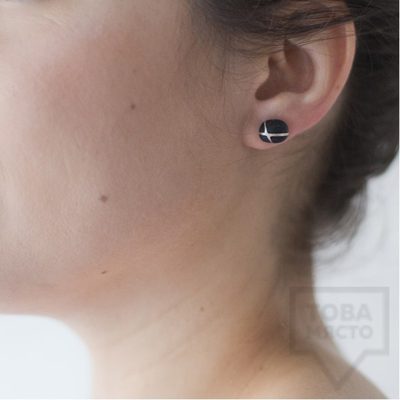
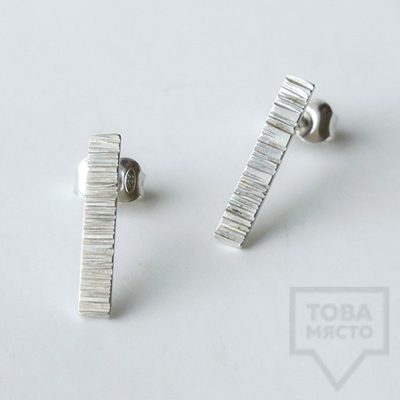
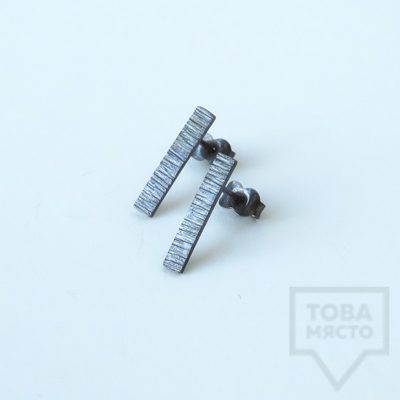
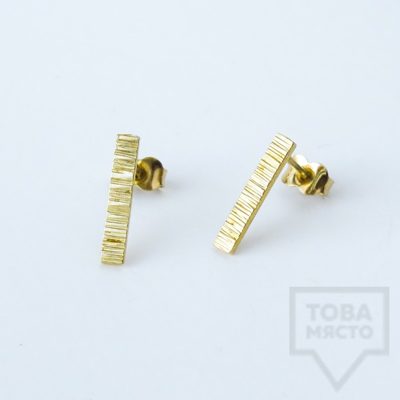
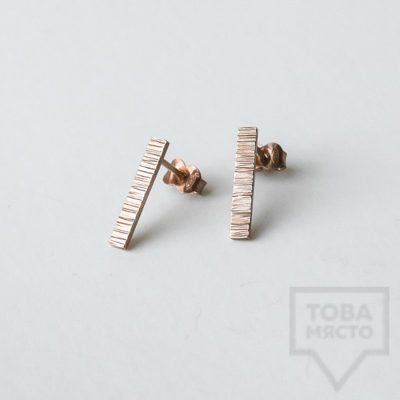
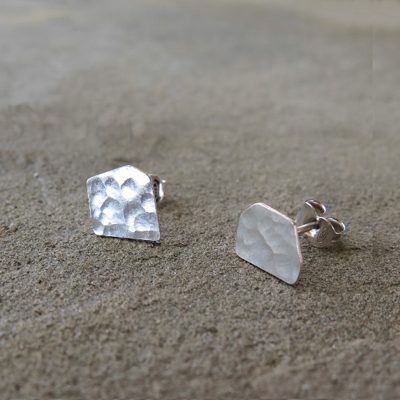
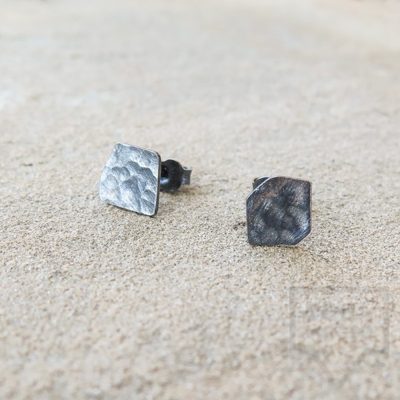
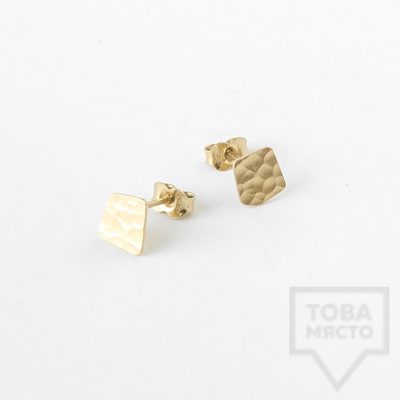
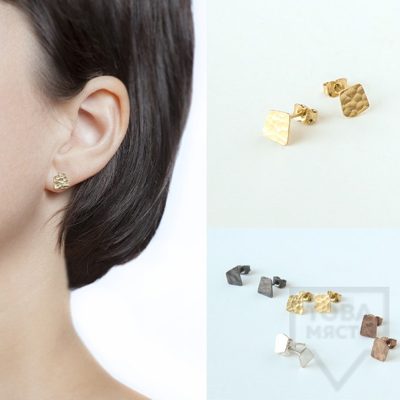
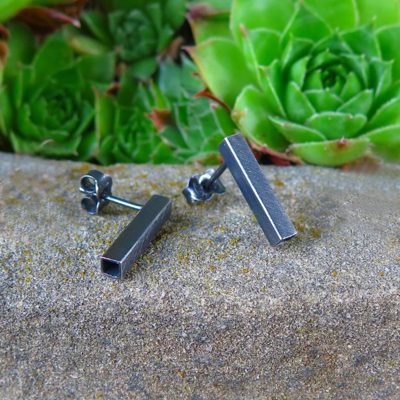
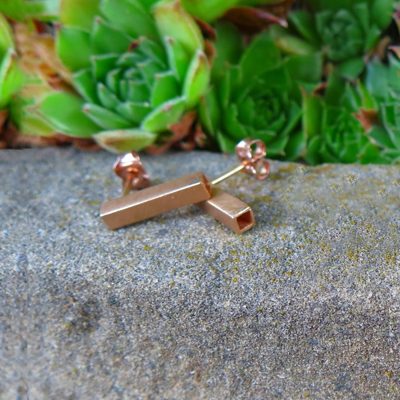
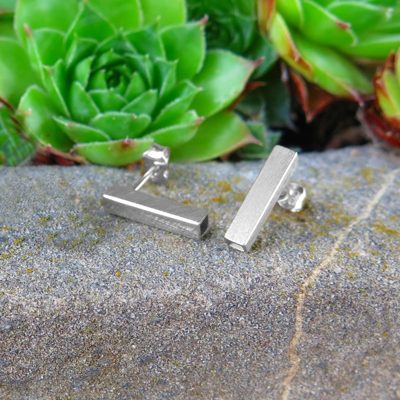
Beyond its rich history and symbolism, silver is an excellent material for jewellery making. It is relatively easy to work with and offers a beautiful, understated appearance that suits both classic and contemporary styles. Silver jewellery is equally suitable for women and men, making it a versatile choice regardless of age or personal style.
Pure silver is naturally too soft for most jewellery applications, so it is combined with other metals, usually copper, to improve its strength and durability. One of the most widely recognised standards in jewellery making is 925 sterling silver, which contains 92.5% pure silver and 7.5% other metals, typically copper.
Thanks to its timeless beauty, versatility and distinctive shine, silver remains one of the most popular materials for creating beautiful jewellery that can be worn and treasured for years.